
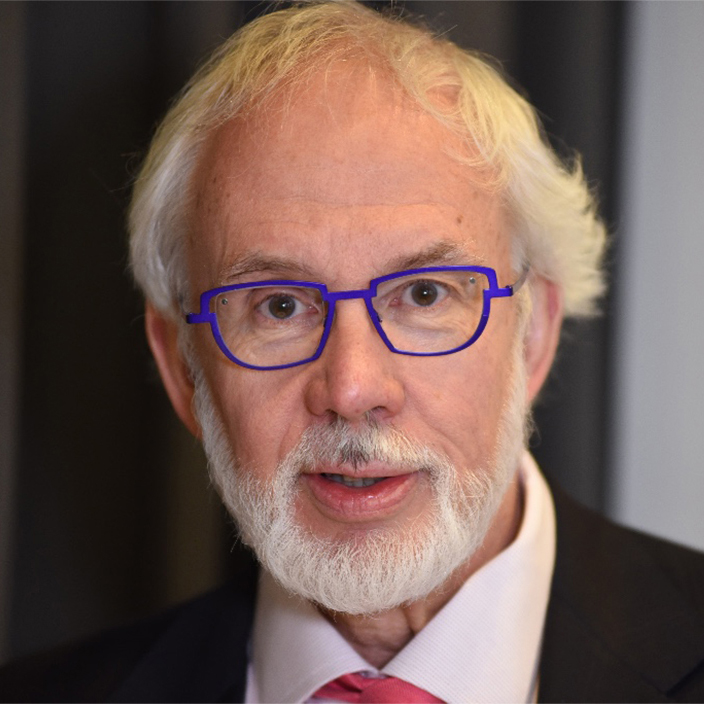
Robert G. Eccles
author FollowSustainability
Tenured Harvard Business School professor, now at Oxford University.
According to a recent survey “Sustainability at the Crossroads” of 884 sustainability experts in 72 countries, 71% of NGOs think the sustainability agenda needs a radical reset. Only 3% felt it was working just fine, 23% felt only modest revisions were necessary and the rest had no opinion. The implications of this are clear. Since NGOs have played a central role in the sustainability agenda it is time for them to do a little soul searching and decide how much of this radical reset requires a radical reset in the strategies they have been using. I will argue they need a radical reset that is more bipartisan in nature, but first some more background on the survey for context.
It was done as a collaboration by the strategy consulting firm ERM, GlobeScan, an advisory firm focused on sustainability and engagement, and Volans, a collective of experts focused on the intersection of sustainability and innovation and founded by the sustainability pioneer John Elkington. The respondents came from the NGO, academia and research, corporate, service and media, and government communities. The purpose of the survey was to take stock of the sustainability agenda in 2025. It is a well-timed survey given the shifting political currents, particularly in Europe and the U..S., voicing skepticism about or even hostility towards sustainability. And it’s important to note that the people who responded to this survey are most likely sustainability advocates, not sustainability skeptics. This is far from a random sample of the population. But even in this group 56% felt a radical reset was necessary, only 6% felt nothing in it needed to change, and 37% felt it was basically fine but needed some modifications.
The sustainability focus of NGOs has, appropriately enough, been at the system level but it has always existed in tension with sustainable value creation for companies and investors. Some of the more radical NGOs are unconcerned about financial value creation (they basically don’t like capitalism) and have the view that companies and investors should do whatever is necessary to make the world a better place. This is naïve and unhelpful. Others argue that over the long term sustainability at the system level converges with sustainable value creation. While there is probably some truth in this, it ignores the fact that the short term also matters and tradeoffs are inevitable as I’ve written about last fall in this Harvard Business Review article ‘Moving Beyond ESG.”
Closeup beautiful girl thinks looking up at bright light bulb isolated on gray wall background. Idea, business, education and people concept. Face expression (Photo: iStock)
Taking Stock of NGOs
The obvious question is what, if anything, should NGOs be doing differently given their dissatisfaction with the progress of the sustainable development agenda which they have had a huge part in shaping? One answer is that they are doing everything they can, and it is up to other stakeholders—companies, investors, and government—to, as the phrase often goes, “do more.” Supporting this view is that NGOs rank just below research and academic organizations for their contribution to sustainable development with 45% of respondents having a positive view compared to 50% for research and academic organizations. I’m an academic so I don’t want to throw shade at this group, but they come up with ideas and it’s up to other people to implement them. NGOs focus on implementation, both in terms of their own work and engaging with other groups. The United Nations is only at 26% and at the bottom of the barrel are the private sector (14%), institutional investors (12%), and national governments (5%). One possible conclusion is that NGOs are doing the best they can and most everyone else isn’t carrying their weight.
I think this lets NGOs off the hook too easily. Note the dramatic decline in their approval from around 60% just four years ago. (In fairness, this is true of all other groups except for research and academic organizations and local and city governments.) Some of this could be due to the backlash against sustainability. The survey found that 70% (65% of NGOs) feel this backlash has been significant vs. 57% in 2024. Not surprisingly, this number is 91% in North America, but it is also 71% in Europe. The lowest percentage is 38% in Asia/Pacific, perhaps because sustainability has not become a topic of political discord.
SUBSCRIBE TO OUR NEWSLETTER
Subscribe our newsletter to receive the latest news, articles and exclusive podcasts every week