

Robert G. Eccles
author FollowSustainability
Tenured Harvard Business School professor, now at Oxford University.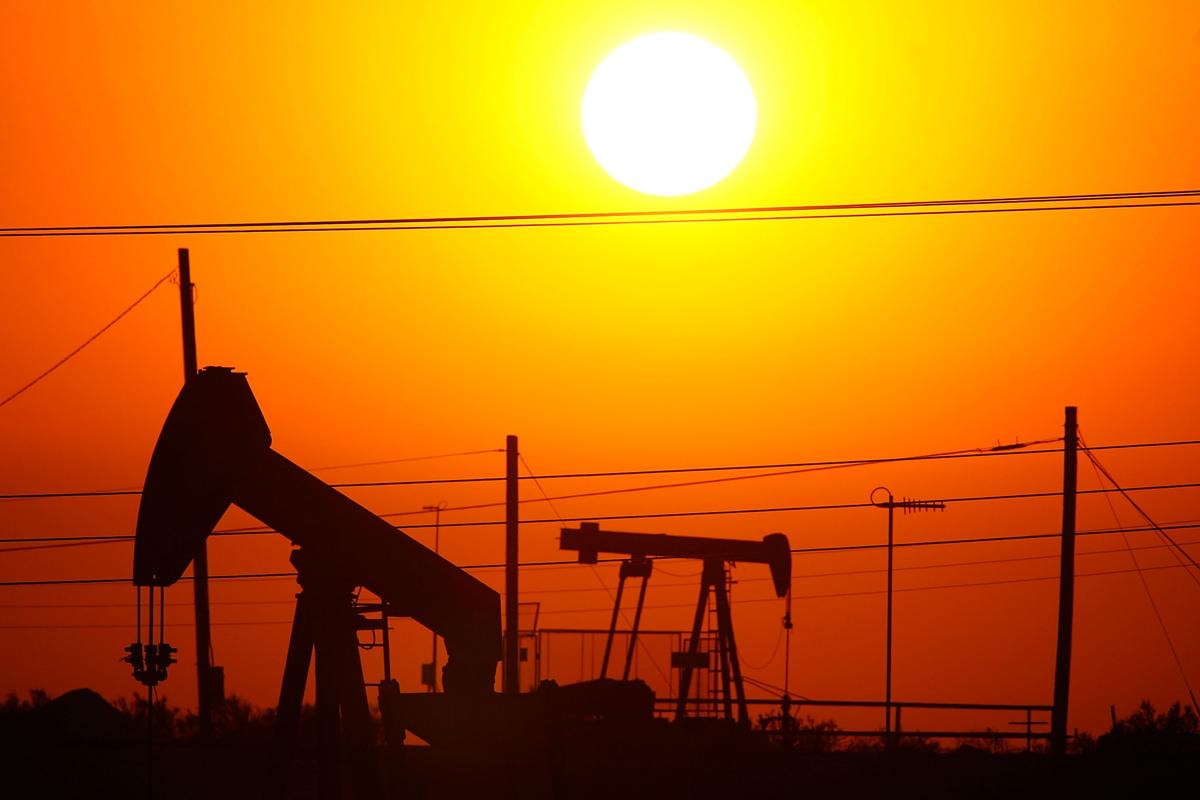
I’m sure for many people the answer is a self-evident “No” —a question not even worth debating. For others, the question is also irrelevant because sustainability or them connotes a progressive political agenda. This industry is on the front lines of the ESG and climate culture wars that are raging on with no end in sight. Views on this industry run the spectrum from “TURN OFF THE SPIGOTS NOW!” to “DRILL, BABY, DRILL!” This piece is not about the oil and gas industry from the broad perspective of climate change and the energy transition, although this is something I’ve written about in “The Growing Demand For Affordable, Resilient, Secure, And Low-Carbon Energy.”
Rather, it is about the narrow topic of reporting, not that this has any less valence in the current culture wars. In fact, sustainability reporting is very much on the front lines. While the SEC’s climate disclosure rule is dead, work moves ahead with the International Sustainability Standards Board (ISSB) and EFRAG’s Sustainability Reporting Board. Important as this work is, and it’s work I’m very interested in, that isn’t the subject of this piece either.
Instead, I’m taking an extremely focused, narrow, technical, and machine-aided approach to address the issue of whether any sustainability information is included in a company’s 10-K, or 20-F for foreign filers. These documents are usually very long (especially for large companies), have a very prescribed format, are scrubbed by lawyers and accountants to mitigate risk as much as possible, and are intended for investors. These documents aren’t designed for those seeking to know the positive and negative impacts a company is having on the world, although it is obviously fair enough to want to know that. And because these reports are a closely monitored regulatory requirement they are the last place where a company is going to be practicing any greenwashing.
TAFT, CA – JULY 22: Oil rigs just south of town extract crude for Chevron at sunrise on July 22, 2008 in Taft, California. Hemmed in by the richest oil fields in California, the oil town of 6,700 with a stagnant economy and little room to expand has hatched an ambitious plan to annex vast expanses of land reaching eastward to Interstate 5, 18 miles away, and taking over various poor unincorporated communities to triple its population to around 20,000. With the price as light sweet crude at record high prices, Chevron and other companies are scrambling to drill new wells and reopen old wells once considered unprofitable. The renewed profits for oil men of Kern County, where more than 75 percent of all the oil produced in California flows, do not directly translate increased revenue for Taft. The Taft town council wants to cash in on the new oil boom with increased tax revenues from a NASCAR track and future developments near the freeway. In an earlier oil boom era, Taft was the site of the 1910 Lakeside Gusher, the biggest oil gusher ever seen in the US, which sent 100,000 barrels a day into a lake of crude. (Photo by David McNew/Getty Images)
I’m sure for many people the answer is a self-evident “No” —a question not even worth debating. For others, the question is also irrelevant because sustainability or them connotes a progressive political agenda. This industry is on the front lines of the ESG and climate culture wars that are raging on with no end in sight. Views on this industry run the spectrum from “TURN OFF THE SPIGOTS NOW!” to “DRILL, BABY, DRILL!” This piece is not about the oil and gas industry from the broad perspective of climate change and the energy transition, although this is something I’ve written about in “The Growing Demand For Affordable, Resilient, Secure, And Low-Carbon Energy.”
Rather, it is about the narrow topic of reporting, not that this has any less valence in the current culture wars. In fact, sustainability reporting is very much on the front lines. While the SEC’s climate disclosure rule is dead, work moves ahead with the International Sustainability Standards Board (ISSB) and EFRAG’s Sustainability Reporting Board. Important as this work is, and it’s work I’m very interested in, that isn’t the subject of this piece either.
Instead, I’m taking an extremely focused, narrow, technical, and machine-aided approach to address the issue of whether any sustainability information is included in a company’s 10-K, or 20-F for foreign filers. These documents are usually very long (especially for large companies), have a very prescribed format, are scrubbed by lawyers and accountants to mitigate risk as much as possible, and are intended for investors. These documents aren’t designed for those seeking to know the positive and negative impacts a company is having on the world, although it is obviously fair enough to want to know that. And because these reports are a closely monitored regulatory requirement they are the last place where a company is going to be practicing any greenwashing.
SUBSCRIBE TO OUR NEWSLETTER
Subscribe our newsletter to receive the latest news, articles and exclusive podcasts every week